131 N San Gabriel Blvd, Pasadena, CA, 91107
Bonded & Insured
Pasadena, CA

Pasadena Insulation Contractor for Cooler Attics & Lower Summer Bills

When it's 100°F in Pasadena, an attic under a dark shingle roof can pass 140–150°F. That heat pushes down through the ceiling, cooks the ductwork, and turns upstairs bedrooms and Craftsman half-stories into ovens. A lot of homes here were built before energy codes existed, so the walls are often empty and the attics hold thin, flattened, or rodent-soiled insulation. Bright Home Insulation installs, removes, and replaces insulation in Pasadena homes so they stay cooler in September heat waves, warmer on cold January nights, and cheaper to run every month.

We work in Pasadena's older houses every week: the tight, low-slope attics in Bungalow Heaven, the raised-foundation bungalows in Madison Heights, and the open-beam mid-century homes up in Linda Vista. Before we quote, we check for knob-and-tube wiring, look for suspect vermiculite, and find out whether the house is in a historic district. That way you get a plan that meets Title 24, protects original plaster and siding, and holds up for decades.

  • Bonded and insured
  • Free in-home consultation
  • Financing available
  • Serving Pasadena within a 20-mile radius
Free Estimate

Request Your Free Estimate

No obligation. Fast, honest quotes.

Prefer to talk? Call (626) 507-4232 — your details are never shared.

Credentials & Certifications BondedInsuredFinancing Available
What We Do

Insulation Services for Pasadena Homes

Pasadena's housing ranges from 1905 bungalows to 1960s post-and-beam homes, so we don't use one method for every house. Each service below can be used alone or combined, depending on what we find in your attic, walls, and crawlspace and what you want to accomplish.

★ Specialty

Attic Insulation

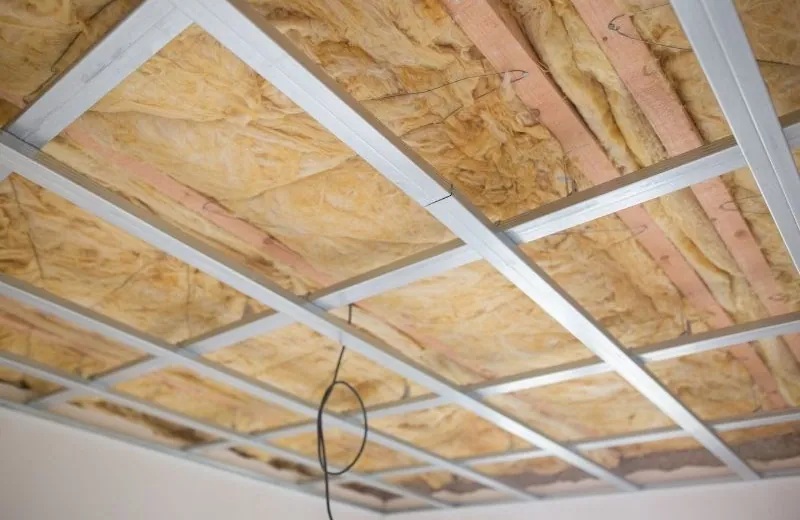
We bring Pasadena attics up to roughly R-38 or higher. That includes sealing the ceiling plane, installing eave baffles, building hatch dams, and placing proper clearances around fixtures, flues, and any wiring that needs them.

First we seal top plates, plumbing penetrations, and can lights with foam and caulk. Then we install loose-fill or batts at a measured depth, add depth markers, and check that ventilation stays clear from soffit to ridge.

Craftsman attics in Bungalow Heaven and Madison Heights are often tight and low-sloped, with knee walls. We plan access carefully so coverage reaches the edges, which is where heat usually gets in, while still protecting your plaster ceilings.

Best for: Homes with hot upstairs rooms, high summer bills, an upcoming reroof or HVAC changeout, or an attic with only a few inches of old insulation.

Explore
★ Specialty

Spray Foam Insulation

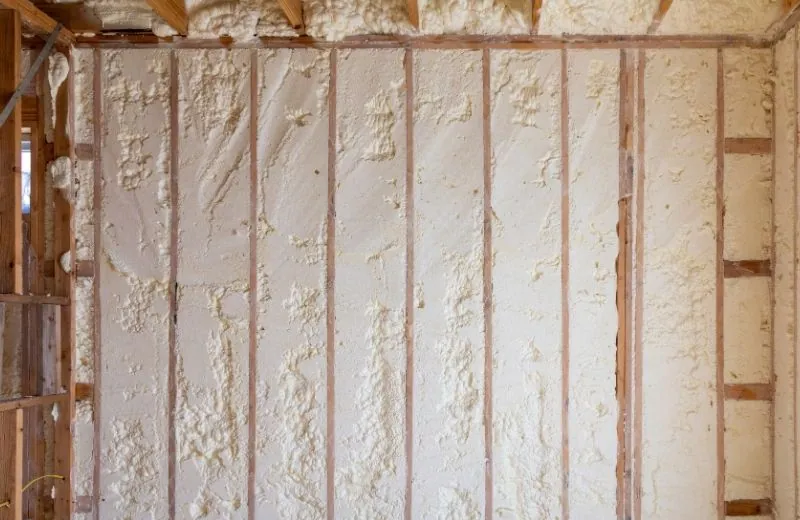
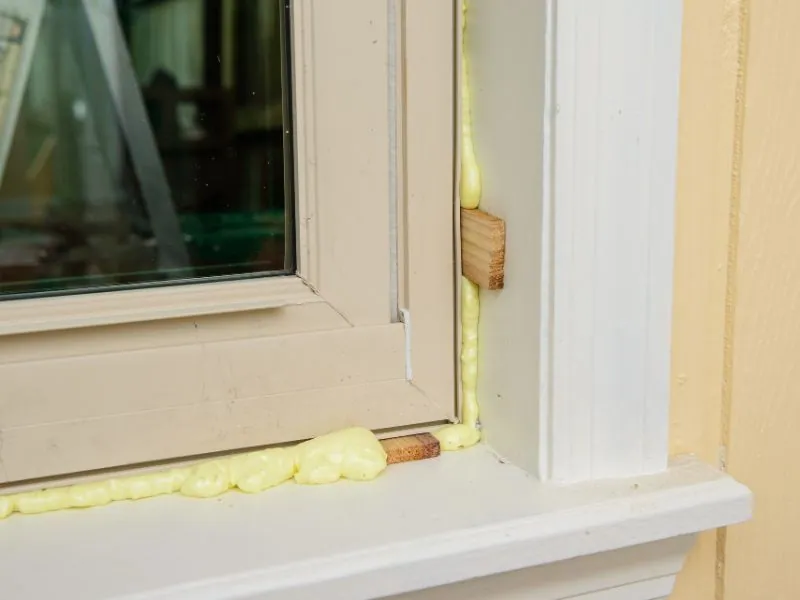
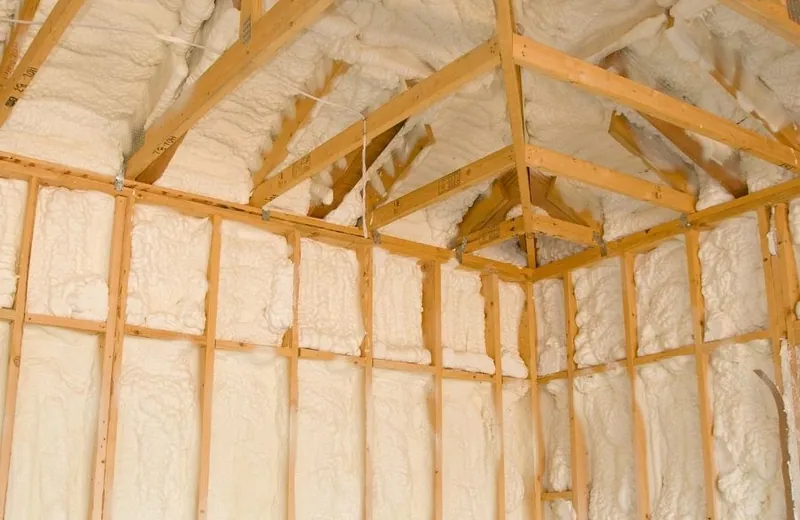
We install open-cell and closed-cell spray foam where it works better than conventional insulation, such as roof decks, rim joists, knee walls, crawlspace areas, and odd-shaped cavities, to get both air sealing and insulation in one application.

We choose the foam type based on where it's going. We mask and protect finished areas, apply the foam at the specified thickness, and follow re-entry and ventilation times. We also explain the trade-offs compared with fiberglass and cellulose up front.

Spray foam works well in mid-century homes in Linda Vista and East Pasadena where open-beam ceilings leave no attic. It's also good for sealing tough Craftsman knee walls and slopes that loose-fill can't cover evenly.

Best for: Tight or complex spaces, conditioned-attic conversions, roof-deck insulation, and homeowners who want maximum air sealing against heat, dust, and smoke.

Explore

Blown-In Insulation

We blow loose-fill cellulose or fiberglass into open attics, and we dense-pack it into closed wall cavities so existing homes get insulated without major demolition.

Attic loose-fill goes in at a measured depth. For walls, we drill small holes from inside or in hidden spots, dense-pack each bay, patch neatly, and can verify coverage with thermal imaging.

This is the most practical way to insulate empty lath-and-plaster walls in historic districts like Garfield Heights and Orange Heights, because the original siding stays untouched and you can usually avoid design review.

Best for: Older homes with empty walls, attics that need topping up, and owners who want a cost-effective upgrade with little disruption.

Explore

Insulation Installation

We install new insulation in additions, remodels, ADUs, and open framing. That covers batts, blown-in, and rigid board installed to meet Title 24 in walls, ceilings, and floors.

We install batts without compression or gaps, fit insulation around wiring and blocking, and coordinate the timing with your contractor's framing inspection and drywall schedule.

Pasadena owners are adding ADUs and remodeling bungalows across Northwest Pasadena and Lamanda Park. Getting insulation right during framing is the cheapest chance you'll ever have to do it properly.

Best for: Renovations, ADUs, room additions, seismic retrofits that open walls, and any project where framing is exposed.

Explore

Crawl Space Insulation

We insulate the floors over vented crawlspaces under raised-foundation homes and fix sagging or fallen batts, so the floors stay warmer in winter and pests have fewer places to nest.

Batts go between floor joists with the correct facing, held with supports so they don't sag. We insulate accessible ducts and seal plumbing and wiring penetrations into the living space.

Pasadena's crawlspaces are dry, so the main goals are comfort and keeping pests out. This is a common add-on for Craftsman homes in Bungalow Heaven and San Rafael Heights during seismic bolting.

Best for: Homes with cold floors in winter, fallen underfloor batts, rodent activity under the house, or a seismic retrofit in progress.

Explore
★ Specialty

Insulation Removal

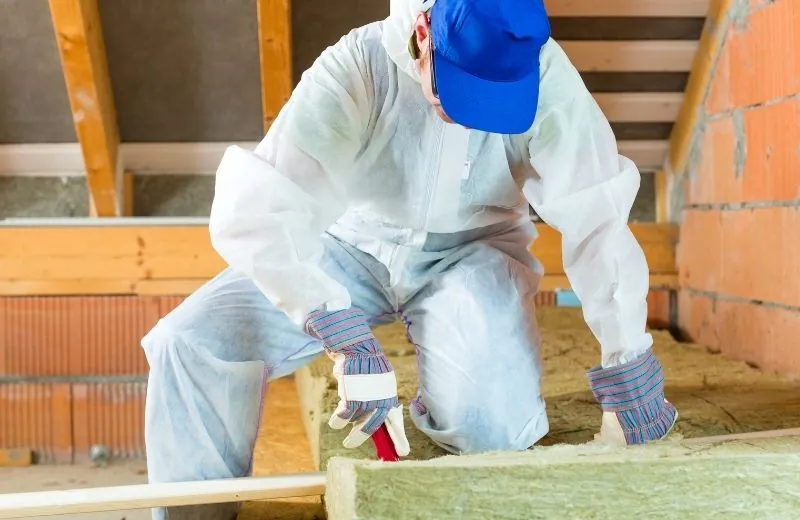
We remove old, compressed, rodent-soiled, or smoke-affected attic insulation with high-powered vacuum equipment. Then we clean the attic and prepare it for new insulation.

We protect the route through your home, vacuum the material into sealed bags, clean and sanitize the attic, and dispose of the waste properly. If we see suspect vermiculite, work stops until it's tested.

With roof rats common in the tree canopy and smoke concerns after the Eaton Fire, removal is often the first step for Pasadena attics. We also seal rodent entry points so the problem doesn't come back.

Best for: Attics with droppings, odors, smoke or ash residue, water damage, or insulation too far gone to top up.

Explore

Insulation Replacement

We handle the full process: removing the old insulation, cleaning, air sealing, and installing new insulation, all in one coordinated job with one crew.

We schedule removal, sanitation, sealing, and installation back to back. That usually finishes in one to three days and leaves you with a clean attic and fresh insulation at a documented R-value.

Replacement is a good fit when a Pasadena attic needs both cleanup and code-level R-value, such as before a heat pump installation, before selling a Craftsman, or after rodent remediation.

Best for: Homeowners who want one contractor to take a neglected attic all the way to a clean, sealed, R-38+ result.

Explore
Know The Signs

Common Insulation Problems in Pasadena Homes

Most insulation problems we find in Pasadena trace back to three things: the age of the house, the summer heat, and the roof rats that live in the city's mature trees. Here's what turns up most often, how to spot it, and how serious it is.

Under-Insulated or Compressed Attic Insulation Moderate

The attic holds much less insulation than the R-38 Title 24 generally calls for. Often it's a few inches of decades-old fiberglass batts or loose rock wool that has settled, matted down, or been pushed aside by past repairs. Heat moves through it with little resistance.

Why it's common here

Many Pasadena homes were built when ceiling insulation was optional or minimal. Over 70 to 100 years, the original material settles. Electricians, roofers, and cable installers walk on it and push it around. Daily swings between a 140°F afternoon attic and 60s nights speed up its breakdown, and dust from dry summers fills the fibers. The result is an attic rated at R-11 or less in a climate zone where heat waves are now routine.

Signs you'll notice
  • Upstairs rooms 5–10°F warmer than downstairs
  • AC runs nonstop on 95°F+ afternoons
  • Ceiling joists visible above the insulation
  • Hot ceilings to the touch in late afternoon
  • Summer PWP bills reaching upper tiers
  • Uneven, patchy coverage seen from the attic hatch
Local patterns

Very common in Bungalow Heaven and Madison Heights bungalows and in 1940s–50s ranch homes around Hastings Ranch and East Pasadena. Craftsman half-stories with knee walls are among the hardest to cool, because the sloped ceilings often have almost no insulation.

Our fix: Air seal the ceiling plane, then blow in loose-fill to R-38 or better, with baffles at the eaves and dams around the hatch and any fixtures that need clearance.

Rodent-Contaminated Insulation Serious

Roof rats or mice have nested and tunneled in the attic or crawlspace insulation, leaving droppings, urine, and nesting debris. The material packs down and loses most of its R-value. It also becomes a health and odor problem that can reach your living space.

Why it's common here

Pasadena's mature oaks, palms, and fruit trees give roof rats an easy path to the roof. They get in through gaps at the eaves, broken vent screens, and roof-to-wall joints. The attic stays dry for months during summer, which makes loose-fill and batts an ideal nest. Many homes have had rodent activity for years without anyone noticing, so the contamination builds up gradually.

Signs you'll notice
  • Scratching or scurrying in the ceiling at night
  • Droppings near the attic hatch or in the garage
  • Musty or ammonia-like odor in upstairs rooms
  • Tunnels and flattened trails in the insulation
  • Chewed wiring, duct wrap, or vent screens
  • Pets fixated on ceilings or walls
Local patterns

We see this most under the heavy tree canopy in Linda Vista, San Rafael Heights, Chapman Woods, and the Lower Arroyo. It's also common in bungalow courts and older homes in Northwest Pasadena where roofline gaps have never been sealed.

Our fix: Vacuum out the contaminated insulation, sanitize the attic, seal rodent entry points with appropriate materials, then reinstall clean insulation to current code levels.

Vermiculite or Suspect Asbestos Insulation Serious

Vermiculite is a pebbly, gray-brown or gold loose-fill that was common before the 1990s. Some of it came from mines contaminated with asbestos. Disturbing it without testing and proper controls can release fibers, so it shouldn't be moved, vacuumed, or covered over casually.

Why it's common here

A lot of Pasadena homes were re-insulated in the mid-20th century, and vermiculite was easy to pour into attic joists back then. It's still sitting in many Craftsman and Spanish Revival homes, sometimes under newer fiberglass. South Coast AQMD Rule 1403 requires a survey and proper abatement procedures before anyone disturbs material that may contain asbestos.

Signs you'll notice
  • Granular, shiny, accordion-shaped pellets
  • Gray-brown or golden color
  • Loose fill between joists rather than batts
  • Material visible beneath newer insulation layers
  • Original pre-1950s attic left untouched
Local patterns

Most often found in pre-1950 homes in Orange Heights, Garfield Heights, the Historic Highlands, and Bungalow Heaven, especially in houses that have never had a full attic renovation.

Our fix: Stop work and arrange testing. If it's positive, a licensed abatement contractor removes it under Rule 1403. Then we air seal and re-insulate the cleared attic.

Knob-and-Tube Wiring Under Insulation Emergency

Knob-and-tube is early ungrounded wiring that runs on ceramic knobs and was designed to shed heat into open air. Burying live knob-and-tube in insulation can trap heat at the conductors, so it has to be evaluated before any blown-in work.

Why it's common here

Pre-1940 homes make up a big part of Pasadena, and a number of them still have active knob-and-tube circuits in the attic or walls, sometimes alongside newer wiring. Owners often don't know it's there until someone looks in the attic. Covering it is a safety risk and can cause insurance problems too.

Signs you'll notice
  • Ceramic knobs and tubes on attic joists
  • Single cloth-wrapped conductors spaced apart
  • Two-prong outlets throughout the home
  • Original fuse panel or very old subpanel
  • Flickering lights on older circuits
Local patterns

This shows up in early Craftsman and Arts & Crafts homes near the Arroyo, in the Playhouse District, and in Bungalow Heaven, especially in houses that were partly rewired over the decades.

Our fix: Have a licensed electrician inspect it and usually decommission it. After the wiring is cleared, we air seal and install insulation safely.

Uninsulated Plaster Walls Moderate

The 2x4 wall cavities behind the lath and plaster are completely empty. Heat comes straight through in summer and goes straight out in winter, and air leaks through gaps around outlets, windows, and baseboards.

Why it's common here

Pasadena's early 20th-century homes were never insulated in the walls, and most still aren't. In historic districts, taking off exterior siding to insulate can require design review. Many owners decide it's too complicated and leave the walls empty, even though the walls can be filled through small holes without disturbing original redwood or cedar siding.

Signs you'll notice
  • Walls warm to the touch on summer afternoons
  • Cold drafts near outlets and baseboards in winter
  • Rooms that never feel comfortable
  • Outside traffic noise easily heard indoors
  • Thermal imaging shows dark or bright wall bays
Local patterns

Common in Craftsman Heights, Garfield Heights, and Markham Place, where homeowners want to protect original exteriors. Homes near the 210, the 134, and Colorado Blvd also benefit because filled walls cut down road noise.

Our fix: Dense-pack blown-in insulation through small, discreet holes drilled from inside or in hidden spots. We patch the holes and keep historic siding and plaster intact.

Smoke- or Ash-Affected Attic Insulation Serious

Fine ash, soot, and smoke odor get pulled into the attic through vents and gaps during a wildfire or wind event and settle into loose-fill and batt insulation. The insulation can then hold odors and particles that drift back into the living space.

Why it's common here

The January 2025 Eaton Fire burned through Altadena and parts of northwest Pasadena. Santa Ana winds push smoke through unsealed attic vents, can lights, and top plates every fire season. Pasadena's location next to the Angeles National Forest means the risk keeps coming back.

Signs you'll notice
  • Lingering smoke odor, especially when the house warms up
  • Gray ash film on insulation or attic framing
  • Darkened insulation around vents and can lights
  • Worsened indoor air or allergy symptoms
  • Soot lines on ceilings near fixtures
Local patterns

Most relevant in Northwest Pasadena and foothill neighborhoods near Altadena, and along the Linda Vista and San Rafael Heights hillsides close to the wildland-urban interface.

Our fix: Assess the attic and remove the affected insulation. Clean the attic, air seal, and install new insulation. Where required, ember-resistant vents can go in at the same time.

Leaky or Uninsulated Attic Ductwork Minor

Heating and cooling ducts in the attic are bare, have deteriorated wrap, or have leaking joints. Air cooled to 55°F travels through a 140°F space and picks up heat before it reaches your rooms.

Why it's common here

Many Pasadena homes got central air added decades after they were built, and the ductwork went into the hottest part of the house. Original duct wrap breaks down in the heat, and rodents tear it apart. Title 24 may require duct sealing and HERS testing when HVAC equipment is replaced.

Signs you'll notice
  • Weak airflow to far or upstairs rooms
  • Dusty, gritty vents
  • Torn or missing duct wrap in the attic
  • Rooms that never reach the thermostat setting
  • High bills despite a newer AC unit
Local patterns

Typical in 1950s ranch homes in Hastings Ranch and East Pasadena and in Craftsman homes with retrofitted central air. These problems often come to light during heat pump conversions.

Our fix: Seal accessible joints, add or replace duct insulation, and bury ducts in attic insulation where it makes sense. We coordinate with your HVAC contractor and any required HERS testing.

Transparent Pricing

How Much Does Insulation Cost in Pasadena?

Insulation costs in Pasadena depend mostly on what's already in your attic and how hard the space is to work in. The ranges below are typical for local homes. Your free consultation gives you an exact, itemized price.

Typical Project

Attic top-up with air sealing

1,950s ranch in Hastings Ranch, ~1,400 sq ft attic, clean existing R-11 brought to R-38 with blown-in

$2,800 – $5,000
Typical Project

Rodent-contaminated attic removal and replacement

Craftsman in Bungalow Heaven, ~1,200 sq ft, vacuum removal, sanitizing, entry sealing, new R-38 blown-in

$5,500 – $10,500
Typical Project

Dense-pack wall insulation in a historic home

Lath-and-plaster walls, ~1,600 sq ft home, interior drilling, patching, no exterior changes

$5,000 – $11,000
Typical Project

Spray foam for open-beam mid-century roof or knee walls

Linda Vista or East Pasadena home, roof deck or knee wall areas, closed- or open-cell foam

$7,500 – $18,000
Removal of Existing Insulation Primary Factor

If the old insulation is clean and just thin, we can often add new material on top, which keeps costs down. If it's full of rodent droppings, smoke-affected, or water-damaged, it has to be vacuumed out and the attic sanitized first. That adds labor, equipment, and disposal. Removal is often the biggest single variable on Pasadena jobs, especially under heavy tree canopy where roof rats are common.

Square Footage and Target R-Value Primary Factor

Material and labor scale with attic area and depth. Going from R-11 to R-38 takes far more material than topping off an attic that's already at R-30. Most Pasadena single-family attics run 900 to 2,000 square feet. Title 24 generally points to about R-38 for Climate Zone 9 alterations, and some homeowners go higher to get more savings during heat waves.

Insulation Type Secondary Factor

Blown-in fiberglass and cellulose are the most cost-effective choices for open attics. Batts suit crawlspaces and open framing. Spray foam costs considerably more per square foot, but it insulates and air seals in one step, so it's often the right call for open-beam roofs, knee walls, and conditioned attics. We'll show you the cost difference between options side by side.

Access and Home Complexity Secondary Factor

Tight Craftsman attics, low-slope roofs, knee walls, and finished half-stories take more time to cover thoroughly. Dense-packing plaster walls means drilling, filling, and patching each bay one at a time. Homes with small hatches or no attic access may need extra planning. More complexity means more labor hours.

Pre-Work Requirements Variable Factor

Knob-and-tube inspection and decommissioning by an electrician, asbestos testing and abatement for vermiculite, rodent entry sealing, and permit or HERS testing fees can all apply. We point out these items during the inspection so they're budgeted from the beginning and don't show up as surprises.

Financing is available, so you can spread the cost of larger projects like full removal and replacement over manageable monthly payments. Ask about it during your free consultation. On PWP's tiered summer rates, a properly insulated and sealed attic can reduce how hard your AC works through every heat wave. It also lets a new heat pump run more efficiently and gives buyers documentation they'll look for when you sell.

Local Expertise

Why Pasadena Homes Need Better Insulation

Pasadena combines inland-valley heat, wildfire smoke, roof rats, and one of Southern California's oldest housing stocks. Any one of those makes insulation more important. Most homes here deal with all of them, and that changes what a good insulation job has to do.

Climate Zone 9 Heat, Santa Anas, and Wildfire Smoke

Pasadena is in California Climate Zone 9, about 860 feet up at the base of the San Gabriels. Summer highs usually reach the high 80s to mid-90s, and most years bring at least one stretch over 100°F. September can hit 105–110°F. On a 95°F afternoon, an attic under composition shingles can climb past 140°F. Most of that heat gets into the house through the ceiling, and ducts running through the attic lose cooling on the way to each room. Nights drop into the 60s, so the attic heats and cools every day. Winter nights can fall into the upper 30s, which an empty plaster wall does little to stop. With 18–20 inches of rain a year and long dry summers, dust builds up in attics. In fall and winter, Santa Ana winds push dust and wildfire smoke through leaky vents, can lights, and top plates.

Craftsman, Spanish Revival, and Mid-Century Construction

Many Pasadena homes were built between 1900 and 1950. That includes Craftsman bungalows, Greene & Greene-era homes in the Arroyo, Spanish Colonial Revival and Tudor houses, bungalow courts, and postwar ranches. Most have 2x4 lath-and-plaster walls with nothing in the cavities, raised foundations over vented crawlspaces, and attics with anything from no insulation to old rock wool or vermiculite. Some pre-1940 homes still have knob-and-tube wiring, which has to be inspected before anything is blown over it. Craftsman knee walls and finished half-stories make complete coverage hard to achieve. Mid-century homes with flat roofs and open-beam ceilings often have no attic at all. In those houses, rigid insulation goes above the roof deck when the roof is replaced.

Title 24, Historic Districts, and Permits

Pasadena Building & Safety enforces Title 24 Part 6. For attic alterations in Climate Zone 9, that generally means about R-38 at the ceiling. Reroofs and HVAC changeouts can also trigger air sealing, duct sealing, and HERS duct leakage testing. Bungalow Heaven, Orange Heights, Garfield Heights, Markham Place, Lower Arroyo, and other districts may need Design & Historic Preservation review for exterior changes like new vents or siding removal. Interior attic and crawlspace work usually doesn't. Disturbing vermiculite falls under South Coast AQMD Rule 1403. Homes in foothill fire zones need ember-resistant vents under CBC Chapter 7A. Permit requirements change, so we confirm the current rules with the city before work starts.

Utility Costs and How Pasadena Homeowners Decide

Pasadena Water and Power uses tiered rates, so a hot July can push a poorly insulated house into higher-cost electricity. PWP and SoCalGas offer efficiency programs from time to time, and it's worth checking what's available now. Many owners here have solar, EVs, or heat pumps planned, and an insulated, sealed attic lets that equipment be smaller and work better. Pasadena buyers tend to compare bids and expect evidence, so we explain each recommendation clearly.

Bright Home Insulation Insulation Contractor in Pasadena, CA project in Pasadena, CA (1)
Pasadena, CA
Bright Home Insulation Insulation Contractor in Pasadena, CA project in Pasadena, CA (2)
insulation
Talk to a Local Expert
The Bright Home Insulation Difference

Why Pasadena Homeowners Choose Bright Home Insulation

We Know Pasadena's Older Homes

Insulating a 1912 Craftsman isn't the same as insulating a tract home. We regularly work with lath-and-plaster walls, tight knee-wall attics, balloon framing, raised foundations, and the open-beam ceilings of mid-century homes. We know where heat gets in, where rodents tend to nest, and where earlier contractors usually skimped. Because of that, we can give you a realistic scope at the consultation instead of surprising you halfway through the job, whether your house is in Bungalow Heaven, the Lower Arroyo, or Hastings Ranch.

Bonded and Insured

Your home is likely your biggest investment, and in Pasadena it's often a historic one. Bright Home Insulation is bonded and insured, so you're protected if something goes wrong while we're working in your attic, walls, or crawlspace. We're glad to share proof of coverage before work begins. We think every contractor you're comparing should do the same, and we recommend checking each one's license status with the CSLB before you sign.

We Specialize in Insulation

Insulation is the main thing we do. That focus means we know the details: how to air seal before insulating, the difference between open- and closed-cell foam, how deep loose-fill needs to be to reach R-38, and how to dense-pack a wall without blowing out old plaster. It also lets us explain trade-offs between materials and methods clearly, which matters if you're comparing several bids.

Respect for Historic Homes

Many Pasadena homeowners spent years restoring original woodwork, plaster, and siding. We protect floors and finishes, carry materials through a covered path, and insulate walls from inside or from hidden spots so historic exteriors stay as they are. For homes in landmark districts, we plan the work to avoid exterior changes that would trigger design review. If something does need review, we tell you before work starts.

Clear Communication and Transparent Pricing

Your proposal lists exactly what we'll remove, seal, and install, the target R-value, and what it costs. We don't add vague line items or upsell under pressure. If we find knob-and-tube wiring or suspect vermiculite, we explain what it means, what it costs to deal with, and who does that part. You'll know who's coming, when they'll arrive, and how long the job will take.

Safety Before Speed

We won't blow insulation over live knob-and-tube wiring or disturb untested vermiculite to save a day. We coordinate with licensed electricians and abatement professionals when they're needed. We keep required clearances around flues and fixtures, and we follow lead-safe practices when older plaster or paint is disturbed. Doing it right the first time protects your family and your home.

Financing to Fit Your Budget

Removing rodent-damaged insulation or insulating a whole house can be a significant expense, particularly if it comes up during a reroof or heat pump installation. We offer financing so you can do the work now and start saving on cooling right away. We'll walk you through the options during your free consultation and help you look into any PWP or SoCalGas efficiency programs currently available.

Simple & Transparent

Our Insulation Process

We start every job by inspecting the house, and we explain what we find before we recommend anything. Here's what to expect from the first call to the final walkthrough.

Free Consultation & Attic Inspection

About 45–90 minutes, usually scheduled within the week
  • Inspect the attic, crawlspace, and accessible ductwork
  • Measure existing insulation depth and type
  • Check for rodents, knob-and-tube wiring, and suspect vermiculite
  • Photograph conditions so you can see them yourself

Local note: We note whether your home is in a historic district or a foothill fire zone, since that affects vents and exterior work.

Clear Written Proposal

Typically within 1–3 business days
  • Itemized scope with target R-values
  • Options with honest pros and cons
  • Notes on any permits, HERS testing, or testing required
  • Financing options if you want them

Local note: If your project is tied to a reroof or HVAC changeout, we point out which Title 24 requirements may apply.

Preparation & Coordination

Scheduled around your calendar
  • Coordinate the electrician if knob-and-tube is present
  • Arrange asbestos testing if needed
  • Confirm permit requirements with Pasadena Building & Safety
  • Plan the protected path through your home

Local note: We usually plan summer attic work for early mornings to avoid working in 140°F conditions.

Removal, Air Sealing & Installation

1–3 days for most homes
  • Lay floor and furniture protection
  • Remove and bag old insulation where needed
  • Air seal top plates, penetrations, and can lights
  • Install insulation to the specified depth or density
  • Install baffles, dams, and depth markers

Local note: Wall work in historic homes goes through discreet interior holes that we patch afterward.

Final Walkthrough & Documentation

Same day as completion
  • Review before-and-after photos with you
  • Confirm installed R-values and coverage
  • Clean up work areas thoroughly
  • Provide documentation for rebates or a future sale

Local note: We help you gather paperwork for any PWP or SoCalGas programs currently being offered.

Trusted Locally

Insulation Work Pasadena Homeowners Can Trust

Service Radius Around Pasadena
20-Mile
Pasadena, CA

Pasadena homeowners pick Bright Home Insulation because we explain what we find, show the condition of their attics with photos, and treat older homes with care.

$0
Consultation & Inspection Cost
R-38+
Attic Target for Climate Zone 9
7
Insulation Services Offered
BondedInsuredFinancing Available
Where We Work

Insulation Services Throughout Pasadena

We're based in Pasadena and work all over the city, from the historic Craftsman districts to the foothill hillsides and postwar east side. Every neighborhood has different housing, and we adjust our approach to fit each one.

Historic Central & North Pasadena

Bungalow HeavenOrange HeightsGarfield HeightsHistoric HighlandsNorthwest PasadenaPlayhouse District

West Side & Arroyo Hillsides

Linda VistaSan Rafael HeightsLower Arroyo / Arroyo SecoOld Pasadena

South & East Pasadena

Madison HeightsHastings RanchEast PasadenaChapman WoodsLamanda Park

We serve all of Pasadena and homes within about 20 miles. If you're not sure whether you're in range, contact us and we'll let you know. Not sure if we cover your area? Call (626) 507-4232.

Find Us

Serving Pasadena, CA & Nearby

131 N San Gabriel Blvd, Pasadena, CA, 91107 · Monday - Sunday: 7AM - 7PM

Bungalow HeavenOrange HeightsGarfield HeightsHistoric HighlandsNorthwest PasadenaPlayhouse DistrictLinda VistaSan Rafael HeightsLower Arroyo / Arroyo SecoOld PasadenaMadison HeightsHastings RanchEast PasadenaChapman Woods
Questions & Answers

Pasadena Insulation FAQs

How much does attic insulation cost in Pasadena?

Most Pasadena attic projects fall somewhere between about $2,800 and $10,500. Adding blown-in insulation over clean existing material to reach R-38 is at the low end. Full removal of rodent-contaminated insulation, sanitizing, sealing, and re-insulating is at the high end. The main things that move the price are attic size, how much needs to come out, access in tight Craftsman attics, and pre-work like knob-and-tube or vermiculite testing. We give you a free, itemized quote after inspecting the attic, and financing is available.

How long does an insulation job take?

A straightforward attic top-up usually takes a single day. Removal followed by sanitizing, air sealing, and new insulation typically takes one to three days, depending on attic size and access. Dense-pack wall insulation in a lath-and-plaster home may take two to four days, including patching. If an electrician has to deal with knob-and-tube wiring or vermiculite needs testing first, that gets scheduled before our work. In summer we start early in the morning to avoid the hottest attic hours.

Do I need a permit to insulate my attic in Pasadena?

It depends on the scope. Re-insulation, especially when it's tied to a reroof or HVAC changeout, may need a permit from Pasadena Building & Safety. Those projects can also trigger Title 24 requirements such as about R-38 at the ceiling, air sealing, duct sealing, and HERS duct leakage testing. Interior attic and crawlspace work usually doesn't need historic design review, but exterior changes like new vents in a landmark district might. Requirements change, so we confirm current rules with the city for your specific project.

Can you insulate walls in a historic Craftsman without damaging the siding?

Yes. For lath-and-plaster homes in districts like Bungalow Heaven or Garfield Heights, we usually dense-pack blown-in insulation through small holes drilled from inside or in hidden spots, then patch them neatly. The original redwood or cedar siding stays in place, which generally avoids the exterior changes that would require design review. We use lead-safe practices when we disturb older plaster or paint, and thermal imaging can confirm that each bay was filled.

What should I do if I find vermiculite in my attic?

Leave it alone. Don't vacuum it, sweep it, or store things on top of it. Some vermiculite contains asbestos, and South Coast AQMD Rule 1403 requires a survey and proper procedures before anyone disturbs it. We'll recommend testing. If it comes back positive, a licensed abatement contractor removes it. After the attic is cleared, we air seal and install new insulation. Many Pasadena homes test negative, but testing is the only way to be sure.

How do I prevent rodents from ruining my new insulation?

Sealing the entry points matters as much as replacing the insulation. Roof rats in Pasadena's tree canopy usually get in through eave gaps, damaged vent screens, and roof-to-wall joints. When we replace contaminated insulation, we seal accessible entry points with durable materials. Keeping tree limbs trimmed back several feet from the roof, fixing broken vent screens, and having the attic checked every year or so after a cleanup will help protect your investment.

When is it time to replace insulation rather than add to it?

Replace it if you find droppings, nesting, ammonia odors, water stains, ash or smoke residue, or confirmed vermiculite. Act soon if upstairs rooms stay hot after dark during heat waves, your AC can't keep up, or your summer bills keep climbing into higher tiers. The best timing is before a reroof, HVAC replacement, heat pump installation, or seismic retrofit, because the attic or walls are already being opened. If the existing insulation is clean and just thin, topping it up is usually enough.

Is spray foam better than blown-in insulation?

Not always. It depends on where it's going. Blown-in fiberglass or cellulose is the most cost-effective way to insulate an open, accessible attic to R-38 in Pasadena. Spray foam costs more but air seals and insulates in one step, so it's a good fit for open-beam mid-century roofs with no attic, Craftsman knee walls, rim joists, and conditioned-attic designs. During your free consultation, we'll compare both options for your home and give you prices for each.

Get a Cooler, Quieter Pasadena Home Before the Next Heat Wave

Don't wait for a 105°F September week to find out your attic isn't keeping heat out. Book a free consultation and we'll show you what's up there and how to fix it.

  • Free in-home consultation and attic inspection
  • Photos of your current insulation and its condition
  • Itemized written proposal with target R-values
  • A bonded and insured crew that protects your home
  • Methods that keep historic plaster and siding intact
  • Coordination for knob-and-tube, vermiculite testing, and permits
  • Financing options for larger projects

Serving homes throughout Pasadena, from Bungalow Heaven and Linda Vista to Hastings Ranch, and within about 20 miles of the city.

Smelling rodents or smoke in your attic? Contact us and we'll prioritize an inspection.

Bonded • Insured

Call (626) 507-4232 Free Estimate